Power purchase agreement most popular
- Upfront cost
- $0
- Each month
- A set rate for each kWh the panels make
- Who owns the panels
- The solar company
- Repairs and monitoring
- Included
- Best for
- Savings without owning equipment
Empowering your Home. Energy Harnessed. Autonomy Earned.
Solar Line Collective helps Illinois homeowners cut their electric costs with rooftop solar, add a battery for outages, and get the full Illinois Shines incentive. We'll also tell you if solar doesn't make sense for your house.
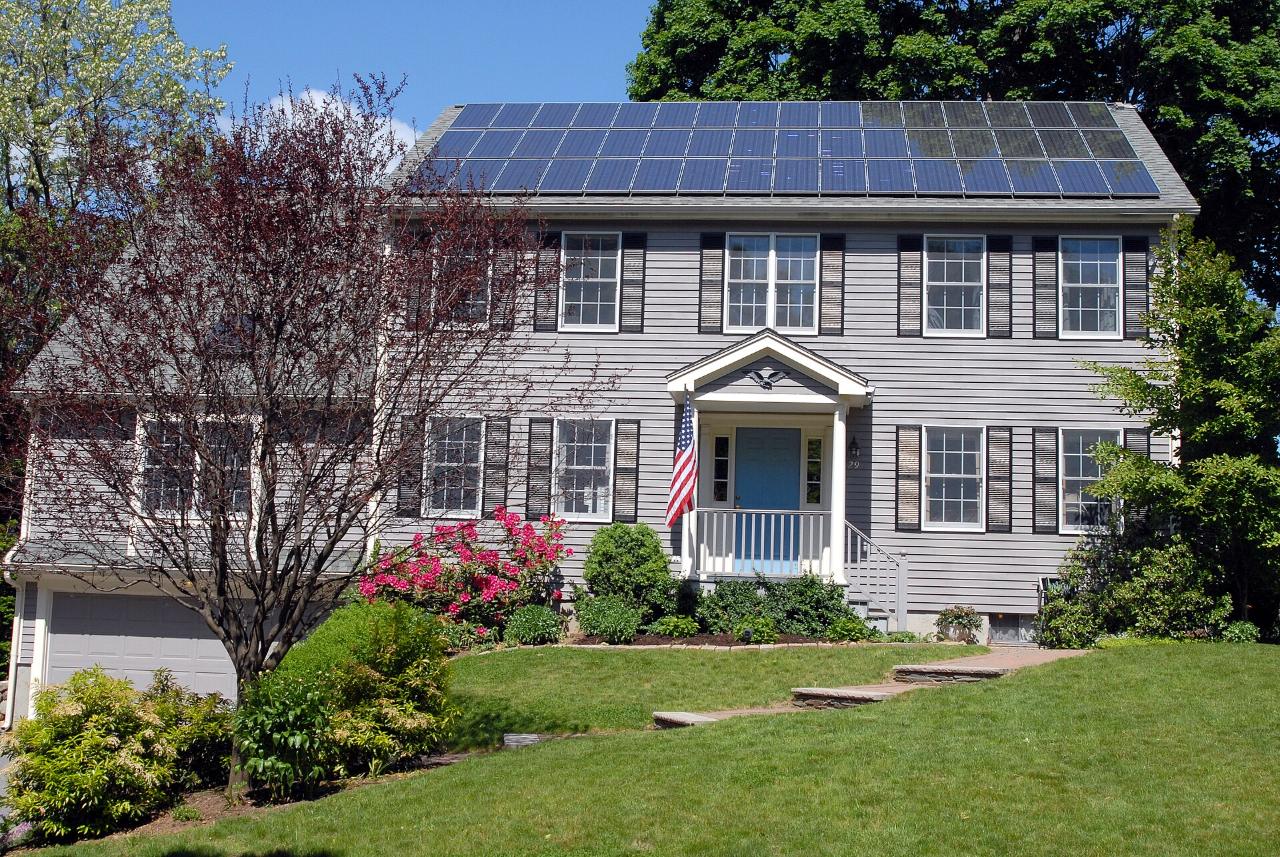
01How it works
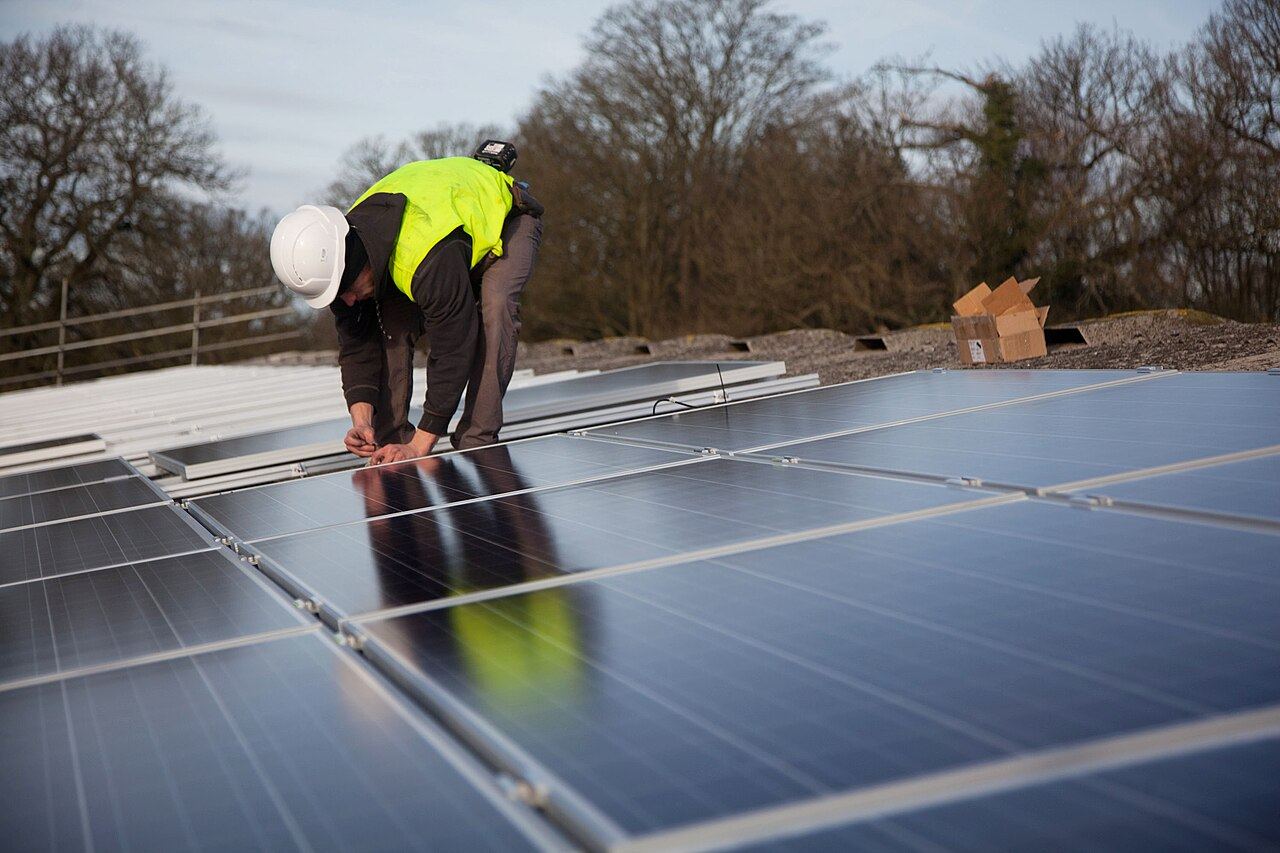
02Illinois Shines
The state program pays for fifteen years of your system's clean-energy credits, often in one payment near the start. It's a big reason solar costs less in Illinois.
Illinois Shines (officially the Adjustable Block Program) is a state incentive run by the Illinois Power Agency.
Program rules, incentive amounts and capacity change over time. See illinoisshines.com.
03What "$0 down" means
A $0-down plan means you pay nothing upfront, not nothing at all. Here's how the options compare.
| Power purchase agreement most popular | Solar lease | Buy it cash or loan | |
|---|---|---|---|
| Upfront cost | $0 | $0 | The system price, less the Illinois Shines payment |
| Each month | A set rate for each kWh the panels make | A fixed payment | Nothing for solar (or a loan payment) |
| Who owns the panels | The solar company | The solar company | You |
| Repairs and monitoring | Included | Included | Warranty, then yours |
| Best for | Savings without owning equipment | A predictable monthly amount | The biggest long-term savings |
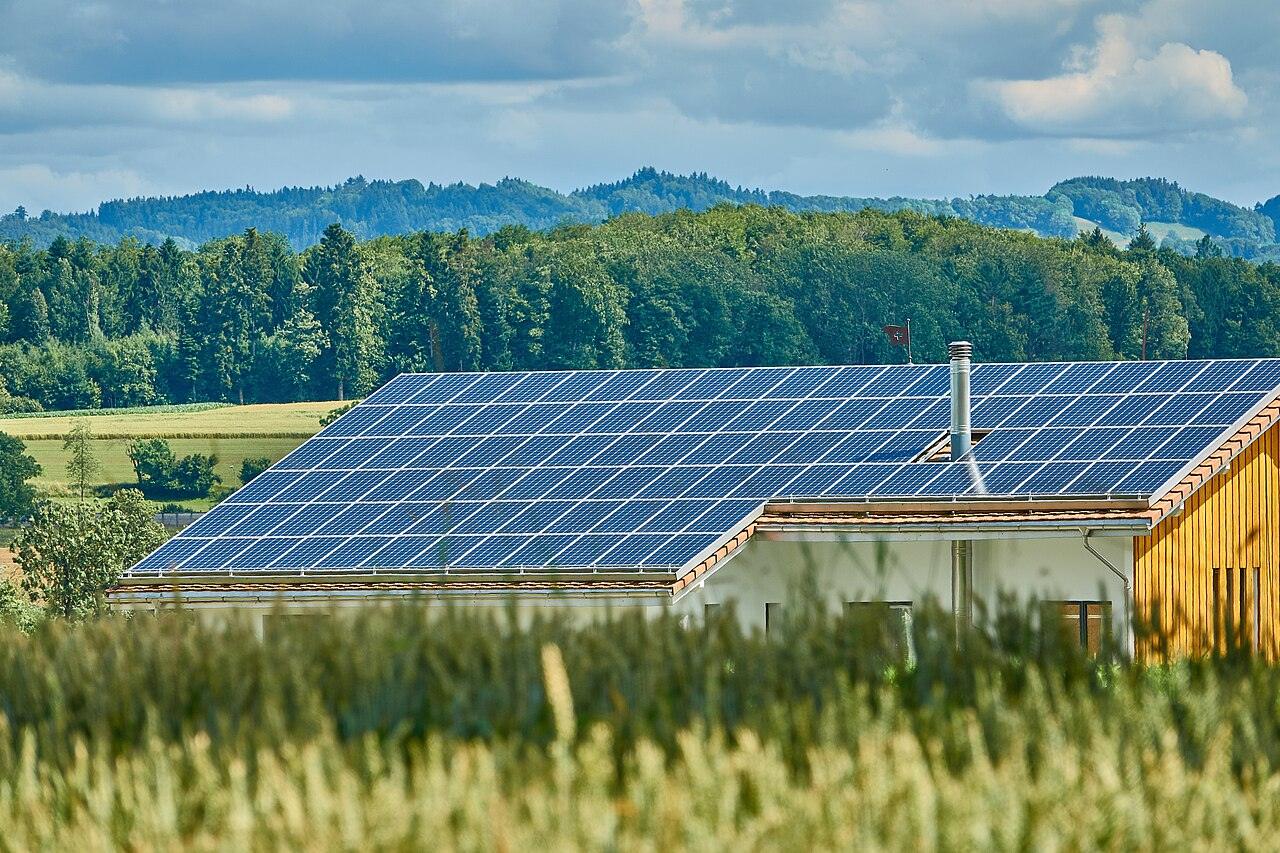
04Battery backup
Panels on their own shut off during an outage. That's a safety rule to protect utility crews. A home battery keeps your essentials running and refills from the sun the next day, with no gas and no generator noise.
05Who qualifies
Tell us about your home. Before anyone calls, we check your roof's sunlight and shade, estimate your savings, and see which plans fit, including $0 down and battery backup.

06Where we work
07Questions
With a $0-down plan (a lease or a power purchase agreement, called a PPA), you pay nothing upfront to have panels installed. You then pay a set monthly amount for the power the panels make, which for qualifying homes is typically less than what you pay the utility for the same power today. Nothing about it is "free", and anyone who says so should be a red flag.
Yes. You stay connected to ComEd or Ameren. Most homes still get a small monthly utility bill for delivery charges and for any power used when the panels aren't producing, such as at night. With a $0-down plan you also pay the solar payment. The goal is for those two together to cost less than your bill today.
Illinois Shines (the Adjustable Block Program) is a state incentive run by the Illinois Power Agency. Your solar system earns Renewable Energy Credits (RECs) for the clean power it makes, and the program pays for 15 years of those credits, often in one payment near the start. That payment is a big reason solar costs less in Illinois.
No. Solar Line Collective is an independent company. We are not employed by, endorsed by, or acting on behalf of the State of Illinois, the Illinois Power Agency, Illinois Shines, ComEd, Ameren, or any other utility or government program.
For most $0-down lease and PPA plans, the finance partner looks for a credit score around 650 or higher. Buying the system outright doesn't require a credit check. Income-qualified households may be able to use Illinois Solar for All, which has no credit check.
Panels alone shut off during an outage for safety. A home battery keeps your essentials running (lights, fridge, Wi-Fi, a sump pump) and recharges from the sun the next day. For qualifying homes, a battery can be included with a $0-down plan at no extra upfront cost.
Usually 6 to 12 weeks from signing to power-on: a site survey, design, permits, a one-day install, then utility approval. Your utility has to approve the system before you turn it on.
An owned system usually adds value to the sale. With a lease or PPA, the agreement can typically transfer to the buyer, or it can be bought out. Details depend on your contract, so ask before you sign.
Yes. Before you sign, an Illinois Shines Approved Vendor must give you the program's informational brochure and a standard Disclosure Form that shows your costs, payments and estimated savings in plain terms. You can also check a vendor in the program's complaint database at illinoisshines.com.